

Likebook Bangladesh Likebook Bangladesh
    #onlinemarketplace #engineeringcollege #solamalaicollegeofengineering #admissions2026 #madurai
    חיפוש מתקדם
  • התחברות
  • הירשם

  • מצב יום
  • © 2026 Likebook Bangladesh
    על אודות • מַדרִיך • צור קשר • מדיניות פרטיות • תנאי שימוש • הֶחזֵר • LikeBook Coin • App Download

    בחר שפה

  • Arabic
  • Bengali
  • Chinese
  • Croatian
  • Danish
  • Dutch
  • English
  • Filipino
  • French
  • German
  • Hebrew
  • Hindi
  • Indonesian
  • Italian
  • Japanese
  • Korean
  • Persian
  • Portuguese
  • Russian
  • Spanish
  • Swedish
  • Turkish
  • Urdu
  • Vietnamese
קהילה
שעון סלילים אירועים בלוג שׁוּק פוֹרוּם המוצרים שלי הדפים שלי
לַחקוֹר
לַחקוֹר פוסטים פופולריים סרטים מקומות תעסוקה הצעות מימון
© 2026 Likebook Bangladesh
  • Arabic
  • Bengali
  • Chinese
  • Croatian
  • Danish
  • Dutch
  • English
  • Filipino
  • French
  • German
  • Hebrew
  • Hindi
  • Indonesian
  • Italian
  • Japanese
  • Korean
  • Persian
  • Portuguese
  • Russian
  • Spanish
  • Swedish
  • Turkish
  • Urdu
  • Vietnamese
על אודות • מַדרִיך • צור קשר • מדיניות פרטיות • תנאי שימוש • הֶחזֵר • LikeBook Coin • App Download
shaen ffd
User Image
גרור כדי למקם מחדש את הכריכה
shaen ffd

shaen ffd

@1783926236362987_828
  • ציר זמן
  • קבוצות
  • אוהב
  • הבא 1
  • עוקבים 0
  • תמונות
  • סרטונים
  • סלילים
  • מוצרים
1 הבא
0 עוקבים
11 פוסטים
נְקֵבָה
shaen ffd
shaen ffd
6 שעות

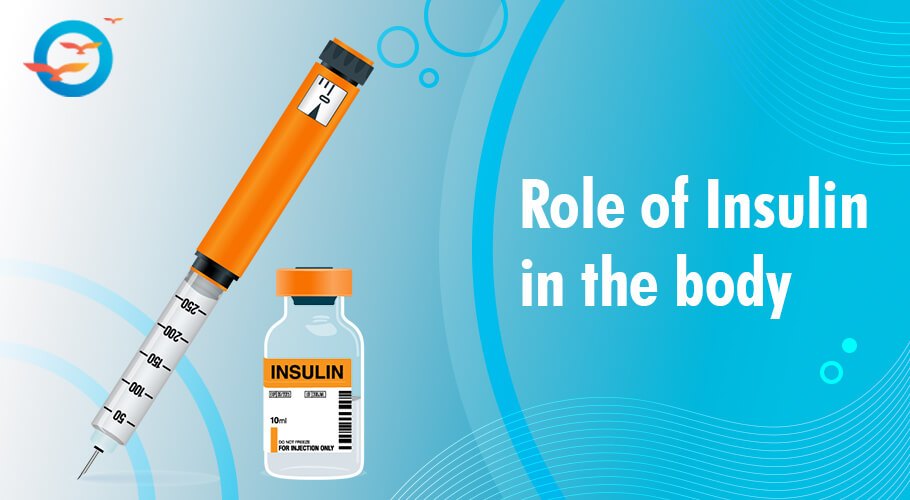
Role of Insulin in human body : FFD
Insulin is a hormone produced by beta cells that are situated in the pancreatic islets of Langerhans. The pancreatic beta cells, being sensitive to blood sugar levels, secrete insulin into the blood when glucose levels are high; and slow or stop the secretion if glucose levels are low.
When you eat, the carbohydrate in your food is converted into glucose which floods the blood circulatory system. This excess of glucose prompts the pancreas to secrete insulin. The insulin unlocks cells in the body, allowing glucose to enter the cells, effectively dropping the concentration of glucose in the blood. About 70% of the glucose is used by your muscular-skeletal system, which is why exercise, especially muscle-building resistance exercises are so important for controlling type 2 diabetes.
In addition to regulating blood sugar levels by sending glucose to muscle cells, insulin converts the excess glucose into fat, which is in effect a store for calories. Thus, when there is a surplus of calories—i.e. when you overconsume food—the glucose that is left over after the body’s cells have been filled is automatically converted into fat. Since diabetics generally have higher concentrations of insulin in the body, their tendency to gain weight is also higher. This is also why insulin-dependent diabetics are often overweight or suffer from obesity.
Insulin is needed to enable the body to store glucose in your muscles or liver and convert excess glucose into fat as storage for future energy requirements. Lack of insulin impairs its ability to perform both these functions In its absence, the fat breaks down to create keto acids, which can trigger diabetic ketoacidosis, a potentially fatal condition, if levels grow too high.
Insulin’s Effect on Different Parts of The Body
1. Brain
 
There is evidence that suggests that insulin promotes glucose absorption in the tissues of the spinal cord and certain parts of the brain. It also impacts other physiological functions such as memory, cogitation and the ability to keep the brain’s neural network healthy. Thus insulin resistance increases the risk of damage to the cognitive system and the risk of dementia.
2. Kidneys

High blood sugar can damage the tiny renal pathways in the kidney, affecting their ability to filter our creatinine and excrete it via urine. This is why diabetics tend to have high levels of creatinine in their systems. Over time this will lead to kidney damage and ultimately require dialysis or replacement.
Browse full blog-
https://www.freedomfromdiabete....s.org/blog/post/role
Contact us :-
Mob : +91-7776077760
Email-Id : info@freedomfromdiabetes.org
Also connect with us on our website , Facebook page, and youtube
Understanding Insulin: Key to Diabetes Management - Freedom from Diabetes
Favicon 
www.freedomfromdiabetes.org

Understanding Insulin: Key to Diabetes Management - Freedom from Diabetes

Learn about insulin's importance in the body and its role in managing diabetes. Understand how it controls blood sugar levels, crucial for diabetes care.
כמו
תגובה
לַחֲלוֹק
shaen ffd
shaen ffd
6 שעות

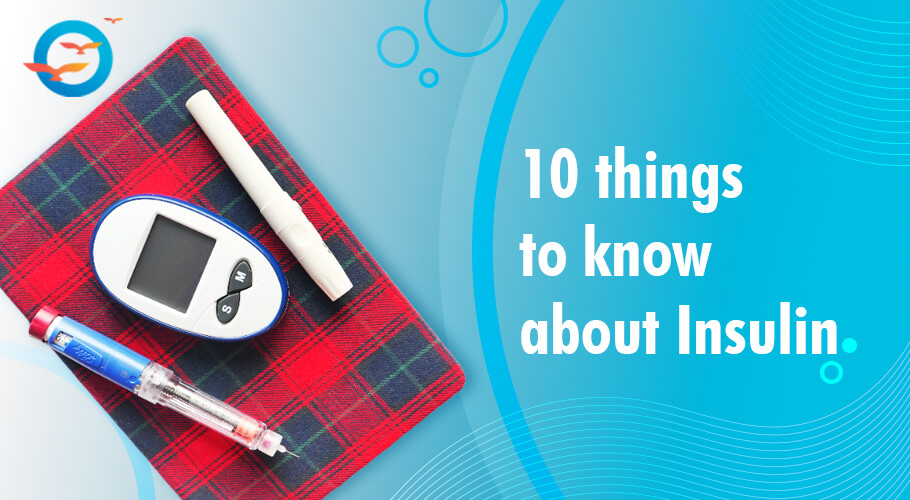
10 Things to Know About Insulin Regular Human Solution Usage
Insulin is a hormone made in your pancreas. Its primary function is to transfer glucose from your bloodstream into your body’s cells, where the glucose is converted into energy. Sometimes, the body is unable to produce sufficient insulin or becomes resistant to its own insulin.
This leads to glucose accumulating in the bloodstream, which in time leads to diabetes. Insulin Regular human is used in conjunction with a healthy diet and exercise to normalize blood sugar levels in patients with Type 1 or Type 2 Diabetes.
It is a short-acting, artificial insulin that is similar to the insulin made in your pancreas. It has the same response to glucose and is used to control BSL and prevent diabetes complications. There is little doubt that insulin is a lifesaver for millions of diabetics worldwide. But, like all prescription drugs, it should be used with care to avoid potentially life-threatening situations.
Here are 10 things every user ought to know about insulin regular human injection usage.
1. Get familiar with preparations, usage, and storage

Always read all the information provided along with the medication. If there is any doubt, always get it cleared by your doctor or pharmacist before using the formulation. Do not change brands of insulin unless advised by your doctor. Do not mix different types of insulin, unless prescribed by the doctor. If this has been prescribed to you, ensure you are well informed about the proper way to mix and inject the mixture.
Insulin must be stored as directed. Exposure to heat or light can damage the solution. So, ensure you keep the medicine in a cool, dark place. If there are other insulin users in the home, make arrangements to store the insulin separately so they don’t get mixed up. Do not freeze insulin. And above all do not use it past its expiry date.
2. Administer only as directed

This medication must not be given in an insulin pump. It must be injected under the skin about half an hour prior to meals. Any delay in having the meal can lead to low blood sugar.
If injecting Insulin regularly into a vein, it should only be done by a doctor or healthcare professional, as there is a risk of very low blood sugar if proper precautions are not taken.
Browse full blog-
https://www.freedomfromdiabete....s.org/blog/post/10-t
Contact us :-
Mob : +91-7776077760
Email-Id : info@freedomfromdiabetes.org
Also connect with us on our website , Facebook page, and youtube

10 Important Facts About Using Regular Human Insulin Solution - Freedom from Diabetes
Favicon 
www.freedomfromdiabetes.org

10 Important Facts About Using Regular Human Insulin Solution - Freedom from Diabetes

What are the 10 important things to know about using Regular Human Insulin Solution. From how much to take to how to use it, this guide covers the basics.
כמו
תגובה
לַחֲלוֹק
shaen ffd
shaen ffd
6 שעות

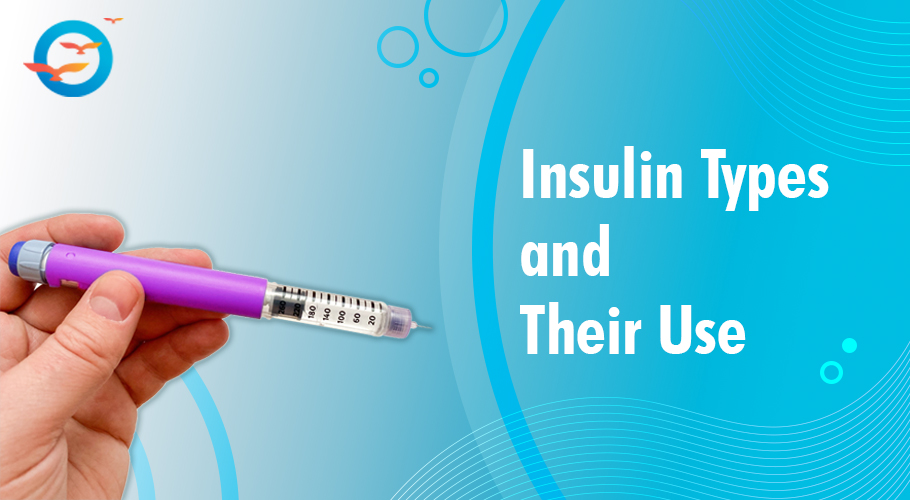
Insulin Types and Their Use
Insulin types are broadly classified on the speed with which they take effect and how long they last. Each type is used in a specific circumstance, and to understand which one to use, it is necessary to understand the necessity of insulin.
Insulin is a hormone produced inside beta cells that are situated in the Islets of Langerhans in the pancreas. When you consume food, there is a rise in blood sugar, which triggers a release of insulin.

The beta cells actually produce a molecule known as proinsulin, this has two constituents: C-peptide and insulin. C-peptide volume tells us how much insulin a person is producing. This is very important in deciding treatment and prescribing insulin dose.
Sometimes the pancreas does not produce any—or very little—insulin, this condition is called Type 1 Diabetes. In such cases, the patient needs externally administered insulin shots to be able to use glucose consumed in meals.
People with type 2 diabetes, on the other hand, do produce insulin, but their bodies are unable to use this insulin, due to a chronic condition called insulin resistance. Unlike Type 1 Diabetes, this condition can be managed and even reversed with proper diet-exercise-stress management. If left unmanaged, or inadequately managed, Type 2 Diabetes patients, too, require insulin shots.
Now, the body needs to be able to manage the glucose levels in the blood through the day and night, as well as during meals when there is a sudden overload of glucose.  Different types of insulin take care of these needs.
Browse full blog-
https://www.freedomfromdiabete....s.org/blog/post/insu
Contact us :-
Mob : +91-7776077760
Email-Id : info@freedomfromdiabetes.org
Also connect with us on our website , Facebook page, and youtube

Types of insulin for diabetes treatment - Freedom from Diabetes
Favicon 
www.freedomfromdiabetes.org

Types of insulin for diabetes treatment - Freedom from Diabetes

Learn about different types of insulin and how they're used for diabetes. What are the types of Insulin Quick-acting, Regular or short-acting, Intermediate-acting etc.
כמו
תגובה
לַחֲלוֹק
shaen ffd
shaen ffd
6 שעות

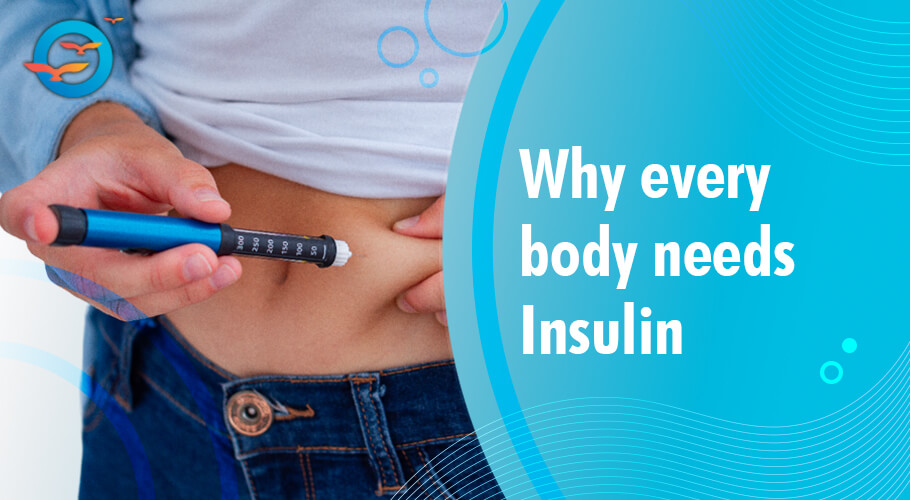
Insulin Explained: Why It’s Crucial for Diabetics
Insulin. Is it a hormone or an enzyme, and why does it matter?
Given that insulin is a chemical that activates a biological function, it is natural to wonder whether it is an enzyme or a hormone. Whereas both enzymes and hormones are chemicals and both are needed to activate biological functions, there is a critical difference between the two. Enzymes are basically catalysts, while hormones are like messengers who stimulate certain reactions in the body.
Thus, insulin is a hormone and not an enzyme. Its presence in the blood enables glucose to enter the body’s cells, where it is used to create energy.
Causes of insulin resistance
Sometimes the insulin produced in the body stops functioning effectively. I.e. it is unable to open cells for glucose in the blood to enter. This leads to an accumulation of glucose in the blood, which is what we call High Blood Sugar. Over time, if ignored or inadequately treated this will result in diabetes and all the ills that diabetes brings, including high BP, kidney disorders, cardiac damage, etc.
Insulin types and their uses
Sometimes, as in the case of Type 1 diabetes, it is not possible to manage the condition with diet, exercise and stress management, and even oral medication. In these cases, external administration of insulin is required. However, as we know, blood sugar management is a 24x7 affair. In other words, the body needs to maintain normal glucose levels day and night, during meals, to do this efficiently the body needs insulin for long-term needs as well as when there is a large intake of glucose, i.e. mealtimes.

Browse full blog-
https://www.freedomfromdiabete....s.org/blog/post/diab

Contact us :-
Mob : +91-7776077760
Email-Id : info@freedomfromdiabetes.org
Also connect with us on our website , Facebook page, and youtube

Diabetic: Insulin and its importance - Freedom from Diabetes
Favicon 
www.freedomfromdiabetes.org

Diabetic: Insulin and its importance - Freedom from Diabetes

Lets understand crucial role in insulin in diabetes, causes, symptoms, treatment. Learn importance of insulin for diabetics and how it impacts overall health.
כמו
תגובה
לַחֲלוֹק
shaen ffd
shaen ffd
6 שעות

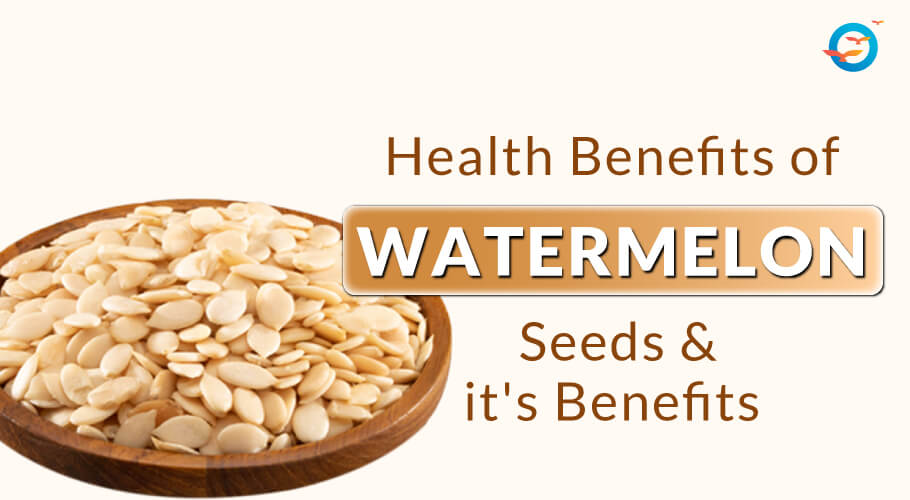
Amazing Health Benefits of Watermelon Seeds
Health Benefits of Watermelon Seeds

Watermelon is a fruit that we relish during summertime or we can also say it is a summertime favorite. The edible part is sweet and juicy red with black seeds.  We mostly tend to neglect the seeds and eat the flesh.
Benefits of Watermelon Seeds:

1. Low calorie
Low in calories.  Watermelon seeds if taken in a handful weigh about 4 grams and provide just 23 calories which is much more than a bag of potato chips!
2. Magnesium
Contain a good amount of magnesium in them with 4 g containing 21 mg of magnesium.
Magnesium is very important for the body's several metabolic functions and also for maintaining nerve and muscle function.
3. Iron
A very important component of hemoglobin is iron and a handful of watermelon seeds have 0.29 mg of iron which forms 1.6 percent of the daily value. 
How to consume watermelon seeds?
Watermelon seeds taste best when roasted.  You can mix them with other seeds or have them separately as snacks. Thus, watermelon seeds are not only good for health but can also help diabetics due to their nutritional contents. They are low in calories and can be a great replacement for any unhealthy snack.

Browse full blog-
https://www.freedomfromdiabete....s.org/blog/post/amaz
Contact us :-
Mob : +91-7776077760
Email-Id : info@freedomfromdiabetes.org
Also connect with us on our website , Facebook page, and youtube

Are watermelon seeds good for diabetes? - Freedom from Diabetes
Favicon 
www.freedomfromdiabetes.org

Are watermelon seeds good for diabetes? - Freedom from Diabetes

What are the amazing benefits of watermelon seeds! Packed with nutrients and protein, how natural goodness of eating raw watermelon seeds can boost your health.
כמו
תגובה
לַחֲלוֹק
טען עוד פוסטים

לא חבר

האם אתה בטוח שאתה רוצה להתנתק?

תדווח על המשתמש הזה

ערוך הצעה

הוסף נדבך


בחר תמונה
מחק את השכבה שלך
האם אתה בטוח שברצונך למחוק את השכבה הזו?

ביקורות

על מנת למכור את התוכן והפוסטים שלך, התחל ביצירת מספר חבילות. מונטיזציה

שלם באמצעות ארנק

התראת תשלום

אתה עומד לרכוש את הפריטים, האם אתה רוצה להמשיך?

בקש החזר